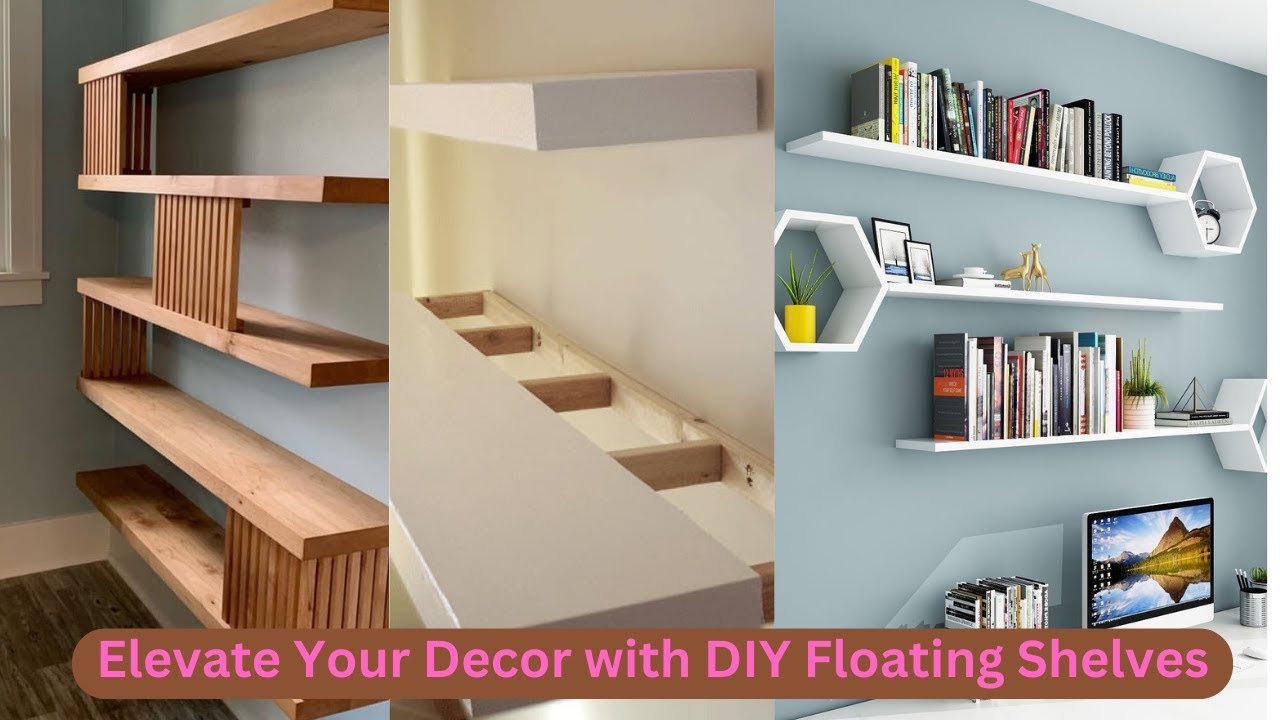
DIY Floating Shelves: Elevate Your Home Decor with Style and Function
Floating shelves offer a unique blend of style and functionality, seamlessly blending into your home's decor while providing valuable storage space. Whether you're looking to display cherished keepsakes, showcase your book collection, or simply add a touch of visual interest, DIY floating shelves are a fantastic solution.
The beauty of DIY floating shelves lies in their versatility. You can customize them to perfectly fit your space, choose the materials and finishes that complement your existing decor, and personalize them with unique touches. This guide will equip you with all the knowledge and inspiration you need to create stunning floating shelves that will enhance your home's aesthetics and practicality.
Step-by-Step Guide to Building DIY Floating Shelves
Building your own floating shelves is a relatively straightforward process, requiring only a few basic tools and materials. This detailed guide will walk you through each step, ensuring you can create sturdy and stylish shelves with confidence.
1. Gather Your Tools and Materials
Before you embark on your DIY journey, ensure you have the necessary tools and materials at hand. This list covers the essentials:
- Wood planks: Choose wood that complements your decor. Popular options include pine, oak, maple, or plywood.
- Brackets: These will support the shelves. Select metal or wood brackets depending on your preference and the weight you'll be placing on the shelves.
- Screws: Use screws suitable for the type of wood and brackets you've chosen. You'll need screws for attaching the brackets to the wall and for attaching the shelves to the brackets.
- Level: Essential for ensuring your shelves are perfectly straight.
- Measuring tape: Crucial for accurate measurements.
- Pencil: For marking where the brackets and shelves will be placed.
- Drill: For drilling pilot holes to prevent wood from splitting.
- Saw: For cutting the wood to your desired length (if needed).
- Sandpaper: For smoothing rough edges and achieving a polished finish.
- Paint or stain: Optional, but allows you to personalize the appearance of your shelves.
2. Determine the Placement and Dimensions of Your Shelves
Carefully consider the best placement for your floating shelves. Think about what you plan to store or display on them and how they will visually enhance the room. Measure the wall space where you intend to install the shelves. Decide on the width, depth, and number of shelves you want to build.
3. Cut the Wood Planks to Size
If you need to adjust the length of the wood planks, carefully measure and cut them to size using a saw. Ensure your cuts are clean and precise for a professional-looking finish.
4. Prepare the Wood
Once you have your wood planks cut to size, prepare them for installation. Sand the edges and surfaces to create a smooth finish. This step is essential for preventing splinters and improving the appearance of your shelves.
5. Install the Brackets
Using a level, carefully mark the wall where you want to install the brackets. Use the appropriate screws and drill pilot holes to prevent the wallboard from splitting. Attach the brackets securely to the wall. The brackets should be positioned so the shelves will be level when installed.
6. Attach the Shelves to the Brackets
Now comes the exciting part: assembling the shelves! Carefully place the shelves onto the brackets. Ensure the shelves are level and securely attached to the brackets using screws. If you are using brackets with slots, ensure the screws are long enough to reach through both the shelf and the bracket.
7. Customize Your Shelves
The final step is to personalize your DIY floating shelves. This is where your creativity shines! You can paint or stain the shelves to complement your existing decor. Consider using decorative hardware or adding a touch of wallpaper for a unique touch. Let your imagination run wild and create shelves that truly reflect your personal style.
Tips for Choosing Materials and Design
Your choice of materials and design can dramatically influence the final look and feel of your DIY floating shelves. Here are some tips to guide your decisions:
1. Choosing the Right Wood
- Pine: This softwood is affordable and easy to work with. It has a natural knotty grain, adding a rustic touch.
- Oak: A classic hardwood known for its strength and durability. Oak provides a rich, warm look.
- Maple: Offers a beautiful, straight grain pattern and a light, almost white color.
- Plywood: A budget-friendly and versatile option. Plywood is less prone to warping and provides consistent thickness.
2. Selecting the Right Brackets
Brackets are a critical element, determining the shelf's stability and aesthetic. Popular options include:
- Metal brackets: Modern and sleek, providing a contemporary look.
- Wood brackets: Add a rustic charm and complement wood shelves seamlessly.
- Decorative brackets: Offer unique designs and add an artistic touch.
3. Incorporating Lighting
Adding lighting to your shelves can dramatically enhance their visual impact. Consider using under-shelf LED lights or installing small spotlights above the shelves to showcase your items beautifully.
4. Personalizing Your Shelves
Let your personality shine through! Explore different finishes, add decorative touches, and incorporate unique elements that make your shelves truly your own.
Creative Uses for DIY Floating Shelves
The possibilities are endless when it comes to using DIY floating shelves to enhance your home decor. Here are a few inspiring ideas:
- Displaying books and collectibles: Create a stunning bookshelf or display your favorite keepsakes in a stylish way.
- Organizing bathroom essentials: Organize towels, toiletries, and decorative items in a functional and elegant manner.
- Adding storage in the kitchen: Store spices, herbs, or kitchen utensils conveniently within reach.
- Creating a unique gallery wall: Display your favorite photographs or artwork in a curated collection.
- Adding a decorative touch in a bedroom: Showcase decorative items, plants, or a collection of books on your nightstand.
Safety Tips for Building and Installing DIY Floating Shelves
Safety is paramount when working with power tools and installing shelves. Follow these guidelines for a safe and successful DIY project:
- Always wear safety goggles: Protect your eyes from flying debris.
- Use appropriate hearing protection: Power tools can generate loud noises.
- Use the right tools and techniques: Ensure your tools are in good working condition and use them correctly.
- Install shelves securely: Use sturdy brackets and install them into studs or use appropriate anchors for drywall installation.
- Consider the weight distribution: Don't overload the shelves with items that exceed their weight capacity.
- Do not install shelves over electrical outlets or plumbing fixtures: Avoid any potential hazards.
With these tips and a bit of creativity, you can build stunning DIY floating shelves that transform your home decor and elevate your living spaces. Enjoy the process of customizing your shelves and enjoy the rewarding experience of creating something beautiful and functional with your own hands!

0 comments:
Post a Comment
Note: Only a member of this blog may post a comment.