Wednesday, November 20, 2024

Quick Wooden Serving Tray Projects for Beginners

Quick Wooden Serving Tray Projects for Beginners

Quick Wooden Serving Tray Projects for Beginners

Wooden serving trays are a versatile and beautiful addition to any home, perfect for serving snacks, drinks, or even as a stylish decorative piece. If you're looking for a fun and rewarding DIY project that won't break the bank, building a wooden serving tray is an excellent choice. This guide will walk you through quick and easy projects ideal for beginners, even if you've never picked up a saw before.

Gather Your Supplies

Before you begin, gather the necessary materials. A trip to your local hardware store will have you set. You'll need:

  • Wooden board (1/2" thick, 12" x 18" or your desired size)
  • Wood glue
  • Wood stain or paint (optional)
  • Sandpaper (various grits)
  • Finishing oil or wax (optional)
  • Handles (optional)
  • Measuring tape
  • Pencil
  • Saw (circular saw or jigsaw)
  • Safety glasses
  • Dust mask

Basic Tray Construction

This project focuses on building a simple rectangular tray. You can easily adapt these steps to create a tray of any shape you desire.

Cut the Board

Start by cutting the wooden board to your desired dimensions. Mark your cuts with a pencil and use a saw to cut the board. If you're working with a circular saw, make sure to use a guide to ensure straight cuts. A jigsaw will give you more flexibility for curved shapes. Safety first: always wear safety glasses and a dust mask when sawing wood.

Sanding and Finishing

Sanding is essential to smooth the surface of your tray and remove any rough edges. Start with coarse-grit sandpaper (80-grit) to remove any major imperfections and then progress to finer grits (120-grit, then 220-grit) for a smoother finish. Apply stain or paint, if desired, and let it dry completely. This step adds a personal touch to your tray.

Adding Handles (Optional)

If you want handles on your tray, mark where you want them and drill pilot holes. Screw the handles in securely, ensuring they're even and level. Be sure to use screws that are long enough to go through the handle and into the wood without going through the other side.

Adding a Personal Touch

Now comes the fun part: personalize your tray! Here are some ideas to make your project stand out:

  • Inlay decorative pieces: Cut out small shapes from wood, leather, or other materials and glue them onto the surface for a unique design.
  • Add a stencil: Use a stencil to create a pattern with paint or stain for a unique look.
  • Burn a design: Use a woodburning tool to create a personalized design or a simple quote.
  • Etch a design: Use an etching tool to engrave a design into the wood for a more permanent and elegant look.

Let your creativity guide you! The possibilities are endless when it comes to customizing your serving tray.

Finishing Touches

To protect your tray and enhance its look, apply a finishing oil or wax. This step will seal the wood and add a layer of protection. Follow the manufacturer's instructions for application. Once dry, your tray is ready for serving your favorite snacks and beverages.

With just a few simple steps, you can create a stunning wooden serving tray that will be a beautiful addition to your home. Embrace your inner craftsman and let your creativity shine through!

Read More..

Tuesday, November 19, 2024

How to Build Custom Wooden Magazine Racks for Extra Income

How to Build Custom Wooden Magazine Racks for Extra Income

How to Build Custom Wooden Magazine Racks for Extra Income

In today's world, many people are looking for ways to supplement their income. One popular option is to start a side hustle that involves creating and selling handmade goods. Building custom wooden magazine racks is a great way to tap into this market, offering a unique, practical, and aesthetically pleasing product that can appeal to a wide range of customers.

Understanding the Market

The market for custom wooden magazine racks is surprisingly robust. People are increasingly seeking out personalized and handcrafted items, and magazine racks offer a functional and stylish solution for organizing their reading materials. Whether it's for homes, offices, waiting rooms, or libraries, there's a demand for well-made magazine racks that enhance the overall ambiance.

Target Audience

Your target audience could include:

  • Homeowners looking for unique home décor
  • Office professionals seeking to personalize their workspace
  • Business owners wanting to create a welcoming atmosphere in their waiting areas
  • Libraries and educational institutions in need of durable storage solutions

Market Research

Before you start building magazine racks, it's crucial to conduct thorough market research. This involves understanding your target audience, their preferences, and their willingness to pay for custom-made products. You should also investigate your competition, including their pricing strategies, product offerings, and marketing approaches. This research will help you determine the best materials, designs, and pricing to maximize your chances of success.

Essential Tools and Materials

To embark on your magazine rack building journey, you'll need a set of essential tools and materials. The exact tools and materials may vary depending on the specific design you choose, but here's a comprehensive list to get you started:

Tools

  • Saw: A circular saw, miter saw, or table saw is essential for making accurate cuts in wood.
  • Sandpaper: You'll need different grit sandpaper for smoothing and finishing your wood.
  • Drill: A cordless drill is ideal for drilling pilot holes and attaching hardware.
  • Screwdriver: A variety of screwdriver bits are necessary for attaching screws and other hardware.
  • Clamps: Clamps will help hold your pieces of wood together securely during assembly.
  • Measuring Tape: A high-quality measuring tape is crucial for accurate measurements.
  • Level: A level will ensure that your magazine rack is built straight and stable.
  • Safety Gear: Always wear safety glasses, a dust mask, and hearing protection while working with power tools.

Materials

  • Wood: Choose high-quality wood that's suitable for woodworking projects. Consider options like pine, oak, maple, or walnut, depending on your budget and desired aesthetic.
  • Wood Glue: Wood glue is essential for bonding wood pieces together securely.
  • Screws: Use screws that are appropriate for the wood you're working with.
  • Stain or Paint: You can finish your magazine rack with stain or paint to enhance its appearance and provide protection.
  • Hardware: Depending on the design, you may need hardware such as brackets, hinges, or decorative accents.

Design Considerations

Before you begin constructing your magazine rack, carefully consider the design. There are numerous possibilities, ranging from simple and minimalist to intricate and elaborate. Here are some important factors to think about:

Size and Dimensions

Determine the desired size and dimensions of your magazine rack based on the intended use. Consider how many magazines it needs to hold, the space it will occupy, and the overall aesthetics of the room.

Style and Functionality

Decide on the overall style of the magazine rack. Do you want a modern, rustic, or traditional look? Consider the functionality as well: will it be freestanding, wall-mounted, or a combination of both? Will it have shelves, compartments, or drawers? The design should reflect the intended use and complement the existing décor.

Material Choice

The choice of wood will significantly influence the overall look and feel of the magazine rack. Consider the following factors:

  • Appearance: Different woods have unique grain patterns and colors that can enhance the design.
  • Durability: Hardwoods are generally more durable than softwoods, making them suitable for high-traffic areas.
  • Cost: The price of wood can vary significantly depending on the species and quality.

Construction Steps

Once you have a clear design in mind, you can start constructing your magazine rack. The specific steps will depend on the design, but here's a general guideline:

Cutting the Wood

Start by carefully measuring and cutting the wood pieces according to your design. Use a saw and measuring tape for precise cuts. Always double-check your measurements before making any cuts.

Sanding

Sand all surfaces of the wood to create a smooth finish and remove any splinters. Start with a rough grit sandpaper and gradually progress to a finer grit for a polished look.

Assembly

Assemble the wood pieces using wood glue and screws. Use clamps to hold the pieces in place while the glue dries. Ensure all joints are secure and that the rack is square and level.

Finishing

Once the glue has dried, finish the magazine rack with stain, paint, or a clear sealant. This will protect the wood and enhance its appearance.

Marketing and Sales

With your custom wooden magazine racks ready, it's time to focus on marketing and sales. You can sell your products through various channels, such as:

Online Marketplaces

Platforms like Etsy, Amazon Handmade, and Facebook Marketplace offer a wide reach to potential customers. Create professional product listings with high-quality photos and detailed descriptions to showcase your craftsmanship.

Local Craft Fairs and Markets

Participate in local craft fairs and markets to interact directly with customers and promote your magazine racks. Offer a personalized touch and answer any questions about your products.

Social Media

Utilize social media platforms like Instagram, Pinterest, and Facebook to showcase your work and build a following. Use engaging visuals, compelling captions, and relevant hashtags to attract attention.

Word-of-Mouth

Leverage word-of-mouth marketing by encouraging satisfied customers to recommend your products to others. Offer referral programs and discounts to incentivize referrals.

Pricing Strategies

Pricing your magazine racks correctly is essential for profitability. Consider the following factors when setting your prices:

  • Cost of Materials: Account for the cost of wood, hardware, glue, stain, and other materials.
  • Labor Costs: Factor in the time spent designing, building, and finishing the magazine rack.
  • Market Research: Analyze the pricing of similar products from competitors to determine a competitive range.
  • Profit Margin: Aim for a reasonable profit margin that covers your expenses and allows for growth.

Conclusion

Building custom wooden magazine racks can be a rewarding side hustle, offering the opportunity to express your creativity, make a tangible product, and earn extra income. By carefully considering market demand, design preferences, and construction techniques, you can create high-quality products that appeal to a wide range of customers. With consistent effort, you can build a successful business and enjoy the satisfaction of turning your passion into a source of income.

Read More..

The Best Woodworking Projects for Home Improvement

The Best Woodworking Projects for Home Improvement

The Best Woodworking Projects for Home Improvement

Woodworking is a rewarding hobby that can also be a great way to improve your home. With a little time, effort, and creativity, you can transform your home into a space that truly reflects your personal style.

From simple shelves to intricate furniture, woodworking projects can add functionality and beauty to any room. Whether you're a seasoned woodworker or just starting out, there are plenty of projects that are perfect for home improvement.

Simple and Easy Projects

If you're new to woodworking or looking for a quick and easy project, these simple ideas are a great place to start. These projects are relatively straightforward and require minimal tools, making them perfect for beginners.

Floating Shelves

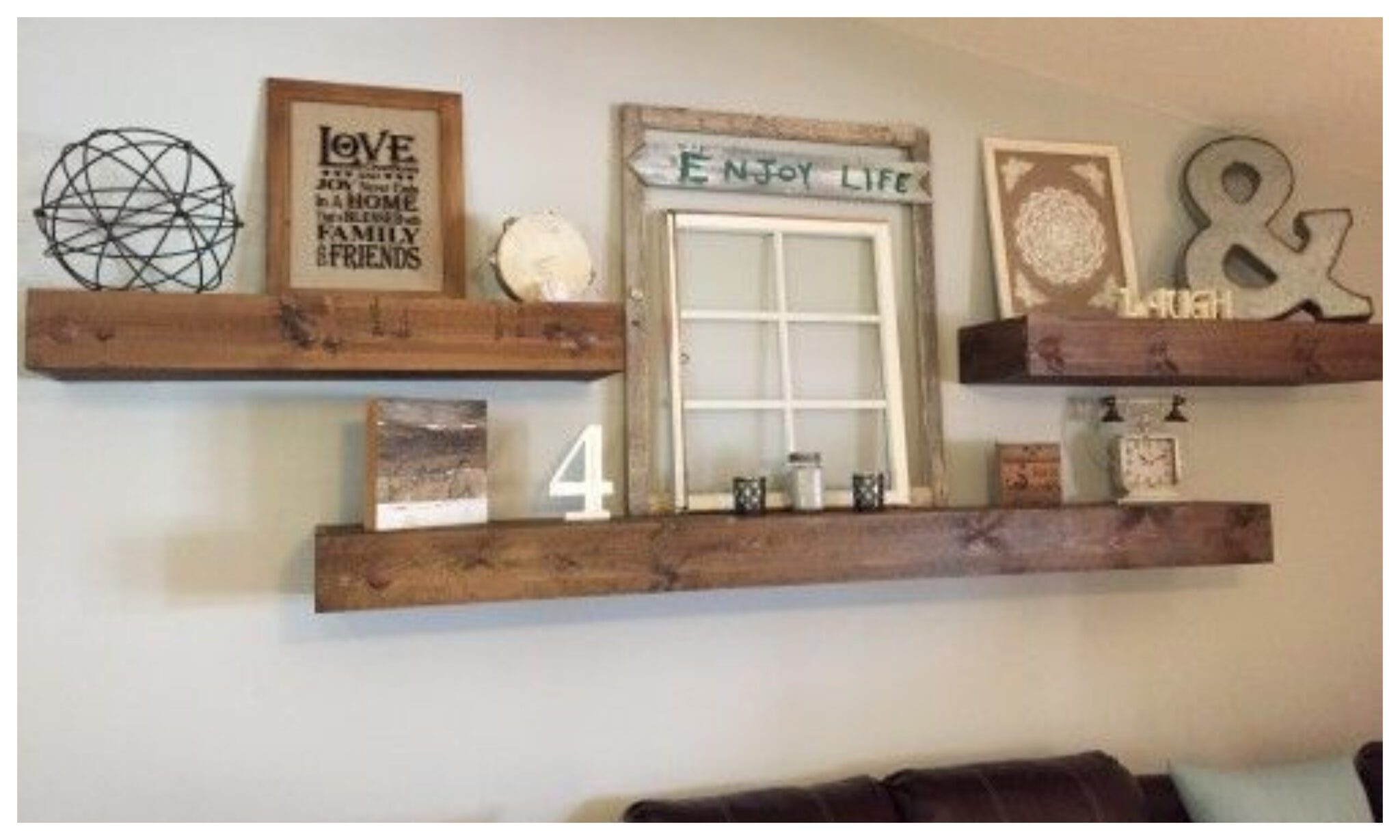
Floating shelves are a stylish and functional addition to any room. They're great for displaying books, plants, or decorative items. You can find detailed instructions and plans online, and the project is relatively easy to complete, even for beginners.

Wooden Signs

Add a personal touch to your home with custom wooden signs. You can create signs for your kitchen, bathroom, or entryway. Get creative with different fonts, colors, and designs to make your signs unique. You can even personalize them with family names or quotes.

Coat Rack

A simple coat rack is a practical and useful addition to any entryway. You can build it using basic woodworking techniques and personalize it with different styles and finishes. A coat rack can help keep your entryway organized and tidy.

Intermediate Projects

Once you've mastered the basics, you can move on to more challenging projects. These projects require more skill and time but offer a greater sense of accomplishment.

Coffee Table

A coffee table is a centerpiece in any living room. Building your own coffee table allows you to customize the design and materials to match your style and needs. There are numerous plans available online, ranging in complexity and design.

Bookshelf

A bookshelf is a practical and stylish way to store and display your books. You can build a simple bookshelf or create a more elaborate design with multiple shelves and compartments. Choose the style that best suits your space and needs.

Headboard

A custom headboard can add a touch of luxury and personality to your bedroom. You can create a simple headboard with a few pieces of wood or build a more elaborate design with intricate details. Many woodworking plans and tutorials are available online to guide you through the process.

Advanced Projects

If you're confident in your woodworking skills and have a good understanding of the tools and techniques involved, these advanced projects will challenge you and allow you to create truly unique pieces.

Dining Table

Building a dining table is a significant woodworking project that requires precision and craftsmanship. You can choose from various designs and materials to create a table that fits your dining space and style. This project allows you to showcase your skills and create a piece that will be cherished for years to come.

Custom Cabinetry

Creating custom cabinetry is a complex but rewarding woodworking project. You can design cabinets for your kitchen, bathroom, or any other room in your home. This project allows you to create storage solutions tailored to your specific needs and preferences.

Outdoor Furniture

Building outdoor furniture, such as a patio set or a garden bench, is a great way to enhance your outdoor space. You can choose weather-resistant woods and finishes to ensure your furniture lasts for years to come. This project requires planning and careful construction to ensure durability and stability.

Tips for Success

To ensure your woodworking projects are successful, follow these tips:

  • Plan carefully: Before you start any project, carefully plan out the design, materials, and tools you'll need.
  • Choose the right wood: Different types of wood have different properties, so choose the wood that best suits your project.
  • Invest in quality tools: Good tools will make your work easier and more precise.
  • Practice safety: Always wear safety goggles, ear protection, and a dust mask while woodworking.
  • Start small: If you're new to woodworking, start with simple projects to gain experience and confidence.

Woodworking can be a rewarding and enjoyable hobby. By starting with simple projects and gradually working your way up to more complex ones, you can create beautiful and functional pieces for your home. Remember to plan carefully, use the right tools, and practice safety to ensure a successful woodworking journey.

Read More..

Monday, November 18, 2024

Stylish Coffee Tables That Will Appeal to Minimalists and Organizers

Stylish Coffee Tables That Will Appeal to Minimalists and Organizers

Stylish Coffee Tables That Will Appeal to Minimalists and Organizers

Let's face it, the coffee table is the heart of your living room. It's where you gather with friends and family, where you settle in for a cozy movie night, and where you inevitably end up with a pile of…well, everything.

But for minimalists and organizers, the coffee table presents a unique challenge. You want something that's stylish and functional, but also keeps your space tidy and clutter-free.

Fear not, fellow minimalists! We've got you covered with a list of coffee tables that are both aesthetically pleasing and practical, perfect for keeping your living room sleek and organized.

A Coffee Table That Makes a Statement: The Scandinavian Look

Scandinavian design is all about simplicity, functionality, and natural materials. A Scandinavian coffee table is a fantastic choice for minimalists because it effortlessly blends into any living room without overwhelming the space. Think clean lines, light wood tones, and a minimal footprint.

What to Look For in a Scandinavian Coffee Table

  • Simple Design: Look for a table with clean lines and minimal embellishments.
  • Natural Materials: Choose a table made from wood, such as oak, birch, or pine. You can also find tables with a combination of wood and metal for a more industrial touch.
  • Neutral Colors: Opt for a table in a neutral color like white, black, or gray. These colors won't clash with your other furniture and decor.
  • Functional Design: Look for a table with built-in storage options, such as drawers or shelves. This will help you keep your belongings organized and out of sight.
  • Minimalist Elegance: The Modern Look

    If you're drawn to sleek, modern designs, there are plenty of coffee tables out there that can elevate your living room. Modern coffee tables often feature geometric shapes, clean lines, and a minimalist aesthetic. This style works wonderfully with a modern, contemporary, or even mid-century modern interior.

    What to Look For in a Modern Coffee Table

  • Geometric Shapes: Choose a table with a square, rectangular, or circular shape.
  • Metallic Accents: A sleek metal base, like chrome or brushed stainless steel, adds a touch of sophistication.
  • Statement Pieces: A modern coffee table can be a statement piece, such as a sculptural design or a table with a unique shape.
  • Multi-functional Designs: Look for tables with built-in storage options, like drawers or shelves.
  • A Touch of Traditional With a Modern Twist

    You don't have to sacrifice tradition for minimalism. A coffee table with a traditional style can still be sleek and streamlined. This works particularly well if you have a living room with a mix of modern and traditional elements.

    What to Look For in a Traditional Coffee Table

  • Simple Carving: Choose a table with subtle carving details or a wood grain that adds interest without being too busy.
  • Dark Wood Tones: Dark wood tones, like mahogany or walnut, can add a touch of elegance to a traditional coffee table.
  • Clean Lines: Even with traditional elements, look for a table with clean lines to avoid a cluttered look.
  • Storage Options: A hidden drawer or a shelf beneath the table can be a great way to keep your belongings organized.
  • Tips for Organizing Your Coffee Table

    No matter what style of coffee table you choose, it's important to keep it organized. Here are some tips for keeping your coffee table clutter-free:

  • Utilize Trays: A decorative tray can help you group together items, like remotes, books, or candles.
  • Store Away the Essentials: Keep frequently used items, like remotes and magazines, stored in a drawer or basket.
  • Limit Décor: Choose a few decorative pieces that you truly love and keep your table free of clutter.
  • Embrace Functionality: Think about how you use your coffee table and choose a design that fits your needs. A coffee table with storage can make a huge difference.
  • Commonly Asked Questions

    What is the ideal size for a coffee table?

    The ideal size for a coffee table depends on the size of your living room and your personal preferences. As a general rule of thumb, the coffee table should be about 18 inches shorter than the length of your sofa. It should also be tall enough to comfortably reach from the sofa.

    What materials are best for a coffee table?

    There are many materials that can be used for coffee tables. Some popular choices include wood, metal, glass, and stone. The best material for you will depend on your personal style and budget.

    What are some storage solutions for coffee tables?

    There are many storage solutions available for coffee tables. Some coffee tables come with built-in storage, such as drawers or shelves. You can also add storage solutions to your existing coffee table by using trays, baskets, or boxes.

    Finding the perfect coffee table can be a fun journey. Remember, your coffee table should be a reflection of your personal style and your desire for a clean, organized space. With a little planning and creativity, you can find a coffee table that will make a statement and help you create a beautiful and functional living room.

    Read More..

    Wednesday, November 13, 2024

    How to Make Wooden Chess Tables That Double as Decorative Pieces

    How to Make Wooden Chess Tables That Double as Decorative Pieces

    Crafting Wooden Chess Tables: Combining Functionality and Decorative Elegance

    A chess table transcends its purpose as a simple game surface. It becomes a focal point, a statement piece that embodies craftsmanship, history, and the timeless allure of the game. This article explores the intricate process of building wooden chess tables that not only serve their functional purpose but also elevate the aesthetic of any space.

    Designing the Chess Table: A Fusion of Form and Function

    The design of a chess table is where creativity meets functionality. It's essential to consider the desired style, size, and features:

    Style and Inspiration

    Chess table designs can range from classic and traditional to modern and minimalist. Consider historical influences such as Victorian, Art Deco, or even the grandeur of ancient Egyptian motifs. Alternatively, embrace contemporary aesthetics with clean lines, sleek finishes, and innovative materials.

    Dimensions and Functionality

    The dimensions are crucial for comfort and gameplay. Standard chessboard dimensions are 19 inches by 19 inches, leaving ample space for players' movements. The table's height should be comfortable for sitting and playing, typically around 28-30 inches. Consider adding storage drawers or compartments for chess pieces, books, or other game accessories.

    Features and Details

    Intricate carvings, inlays, or decorative elements can enhance the visual appeal. Consider adding:

    • Hand-carved chess piece motifs
    • Intricate wood marquetry patterns on the board surface
    • Hand-painted scenes or symbols related to chess
    • Ornamental legs with intricate designs

    These details elevate the table's status from a mere piece of furniture to a work of art.

    Choosing the Right Wood for Your Chess Table

    The wood selection is paramount in determining the table's durability, aesthetic appeal, and overall character. Some popular choices include:

    Hardwoods for Longevity and Beauty

    • Mahogany: Known for its rich reddish-brown hue, elegant grain patterns, and natural durability.
    • Cherry: Possesses a warm reddish-brown color that deepens with age, showcasing beautiful grain patterns.
    • Walnut: Highly prized for its distinctive dark brown color, rich grain patterns, and remarkable strength.
    • Oak: Strong, durable, and available in various colors, from light to dark, making it a versatile choice.

    Softwoods for a Lighter Aesthetic

    • Pine: Budget-friendly, lightweight, and easily worked, often used for traditional styles.
    • Cedar: Offers a natural aromatic scent and a beautiful reddish-brown color.

    Exotic Woods for Unique Character

    • Ebony: Known for its deep black color and incredibly dense, durable wood.
    • Rosewood: Exhibits a range of colors from deep red to purple, with intricate grain patterns.
    • Purpleheart: Offers a unique blend of purple, brown, and black hues, adding a vibrant touch.

    When selecting wood, consider the desired finish, the table's intended use, and the overall design aesthetic.

    The Construction Process: Bringing the Design to Life

    The construction process requires meticulous planning, precision, and skilled craftsmanship. Here's a step-by-step guide:

    1. Cut and Prepare the Wood

    Begin by cutting the wood to the required dimensions for the table top, legs, and other components. Use a table saw or a circular saw for precise cuts. Sand all surfaces to create a smooth and even foundation for the finish.

    2. Assemble the Table Top

    For a sturdy and visually appealing table top, consider using a combination of techniques:

    • Edge-gluing: Joining several pieces of wood together for a wider tabletop.
    • Mortise and Tenon Joints: Strong and traditional joinery technique, creating a robust and lasting connection.
    • Dowel Joints: Simple and practical for joining table top sections.

    3. Construct the Legs and Frame

    The legs are integral to the table's stability and aesthetic appeal. Choose from various leg styles:

    • Tapered Legs: Classic and elegant, adding a touch of sophistication.
    • Square Legs: Sturdy and modern, offering a minimalist aesthetic.
    • Curved Legs: Adding a touch of flair and sophistication.

    The table's frame, connecting the legs, can be made using mortise and tenon joints, dado joints, or even simple butt joints reinforced with screws or glue.

    4. Create the Chessboard Surface

    The chessboard surface can be created using various techniques:

    • Inlaid Chessboard: Using contrasting wood species to create the classic black and white squares.
    • Painted Chessboard: Applying a finish to the wood surface and then painting the squares.
    • Veneer Chessboard: Using thin sheets of wood veneer with contrasting colors for the squares.

    5. Sanding and Finishing

    Sand the table thoroughly using progressively finer grit sandpaper to achieve a smooth and even surface. Apply a wood finish that complements the wood's natural beauty and protects it from wear and tear. Options include:

    • Oil Finishes: Enhance the wood's natural grain and provide a durable protective layer.
    • Varnish Finishes: Create a high-gloss finish that protects the wood and offers a sleek, elegant look.
    • Polyurethane Finishes: Durable and water-resistant, offering excellent protection for high-traffic areas.

    Adding Decorative Touches: Elevating the Chess Table's Elegance

    Once the basic structure is complete, you can add decorative accents to enhance the table's visual appeal:

    Carving and Inlay Work

    Hand-carved details can transform the table into a work of art. Consider carving:

    • Chess piece motifs on the table legs
    • Intricate patterns around the chessboard surface
    • Ornamental details on the frame or apron

    Inlay work, using contrasting wood species or other materials, can create intricate designs and patterns on the table surface, frame, or legs.

    Painting and Staining

    Hand-painted details can add vibrant color and unique character. Consider:

    • Painting scenes or symbols related to chess
    • Adding decorative borders or accents to the chessboard surface
    • Creating intricate designs on the legs or frame

    Staining the wood with a rich color can deepen its natural beauty and enhance the grain patterns.

    Hardware and Accessories

    Choose high-quality hardware, such as hinges, drawer pulls, and decorative elements, to complement the table's overall style. Consider adding:

    • A leather-bound chessboard cover
    • Custom-made chess pieces in a complementary style
    • A decorative tray for holding chess pieces

    Conclusion: A Chess Table as a Legacy

    Crafting a wooden chess table is a labor of love, a fusion of artistry and skill that transcends the boundaries of functionality. Each piece becomes a testament to the creator's craftsmanship, a timeless treasure that will be cherished for generations to come. By embracing the meticulous design, the careful selection of materials, and the artful application of decorative details, you can create a chess table that is as beautiful as it is functional, a true testament to the enduring elegance of the game.

    Read More..

    How to Craft Wooden Key Holders with Minimalist Features

    How to Craft Wooden Key Holders with Minimalist Features

    Crafting Minimalist Wooden Key Holders: A Step-by-Step Guide

    Okay, so you're looking to add a touch of natural elegance to your entryway, and what better way than with a handcrafted wooden key holder? Think about it: a beautiful piece of wood, smooth to the touch, holding your keys in a minimalist design that complements your home's style. Sounds pretty awesome, right? Let's get started!

    Choosing the Right Wood

    First things first, you need to pick your wood. This is where you can really express your personal style. Here are a few options, each with their own unique character:

    Hardwoods for Durability

    • Oak: Known for its strength and durability, oak is a classic choice, offering beautiful grain patterns and a rich brown color.
    • Maple: This wood has a light, creamy color and a fine grain, perfect for a clean, modern look.
    • Walnut: With its deep brown color and stunning grain patterns, walnut brings a touch of warmth and sophistication to any space.

    Softer Woods for Easier Working

    • Pine: Pine is readily available and relatively affordable, making it a great beginner-friendly option. It has a soft texture and a beautiful, knotty grain pattern.
    • Cherry: A beautiful reddish-brown wood, cherry is known for its rich color and fine grain, making it ideal for a more traditional feel.

    Remember, the choice of wood is entirely up to your personal preference and the overall aesthetic you're aiming for.

    Tools You'll Need

    Gather up your tools, because we're about to get creative! Here's a list of essentials:

    • Saw: A handsaw, circular saw, or jigsaw will help you cut your wood to the desired size.
    • Sandpaper: You'll need sandpaper in various grits, from coarse to fine, for smoothing out the wood.
    • Drill: A drill is crucial for creating holes to hold your hooks or magnets.
    • Wood glue: For secure bonding of any pieces you might be joining together.
    • Clamps: To keep your wood pieces securely in place during the gluing process.
    • Measuring tape: For accurate measurements and precise cuts.
    • Pencil or pen: For marking your wood before making cuts or drilling holes.
    • Hooks, magnets, or key rings: Your choice will depend on your preferred design and how you want to hold your keys.
    • Finishing oil or wax: To protect and enhance the natural beauty of your wood.

    Designing Your Minimalist Key Holder

    Time to get creative! Here's a step-by-step guide for designing your minimalist key holder:

    1. Sketching and Measuring

    Grab a piece of paper and sketch out a few design ideas. Consider these elements:

    • Shape: Do you want a simple rectangle, a more unique shape like a leaf or a cloud, or even just a single piece of wood with a rounded edge?
    • Size: How big do you want your key holder to be? Consider how many keys you need to store.
    • Placement of hooks or magnets: Where will your hooks or magnets be placed? Make sure they're spaced appropriately for your keys.

    Once you have a design you're happy with, measure and mark the wood accordingly. This is important for accurate cuts and a polished final product.

    2. Cutting and Shaping

    Using your saw, carefully cut your wood into the shape you've designed. Be sure to work safely and use a sturdy support surface to avoid accidents.

    If you're going for a simple, rectangular key holder, make sure your sides are smooth and even. If you're creating a more intricate shape, take your time to get those curves just right.

    3. Sanding and Smoothing

    Now comes the fun part: sanding! Start with coarse sandpaper to remove any rough edges and imperfections. Then, gradually switch to finer grits to create a smooth, polished surface. Sand along the grain of the wood for the best results.

    Don't forget to sand the edges and any corners that might feel sharp. You want your key holder to feel comfortable to the touch.

    4. Drilling and Installing Hooks or Magnets

    Time to add your key-holding mechanisms! Use your drill to make holes at the designated locations for your hooks or magnets. Make sure the holes are the right size for your chosen hardware.

    Securely attach your hooks or magnets. If you're using screws, make sure they're long enough to hold firmly. If you're using adhesive, make sure it's specifically designed for wood.

    5. Finishing Touches

    You're almost there! Give your key holder a final sanding to remove any dust or lingering imperfections. Then, apply a finishing oil or wax to protect the wood and bring out its natural beauty.

    Let the oil or wax dry completely before handling. This will give your key holder a smooth, glossy finish and make it more resistant to scratches and moisture.

    Mounting Your Key Holder

    The final step is deciding how to mount your key holder. You can either:

    • Use adhesive tape: This is a simple and removable option, perfect if you don't want to permanently attach your key holder to the wall. Just make sure you choose a strong, high-quality tape for a secure hold.
    • Screw it to the wall: If you want a permanent solution, you can screw your key holder directly to the wall. Just make sure you use screws that are long enough to reach into the wall stud for extra strength.

    Adding Personal Touches

    To make your key holder truly unique, why not add a little extra personality?

    • Engraving: Consider adding a monogram, a quote, or a design using an engraving tool. It's a great way to add a touch of personalization.
    • Paint: If you're feeling adventurous, you can paint your key holder with a natural stain, a bold color, or even a fun pattern.
    • Decoupage: Add a vintage feel with decoupage techniques, using paper or fabric to create a unique look.

    Don't be afraid to experiment and let your creativity shine! Remember, the most important thing is to create a key holder that you love and that reflects your unique style.

    Conclusion

    And there you have it! You've just crafted a beautiful, minimalist wooden key holder that adds a touch of warmth and character to your home. Congratulations on your DIY success! Now go forth and impress your friends and family with your newfound woodworking skills. Remember, it's all about the journey, the creativity, and the pride you feel in creating something unique and special with your own two hands.

    Read More..

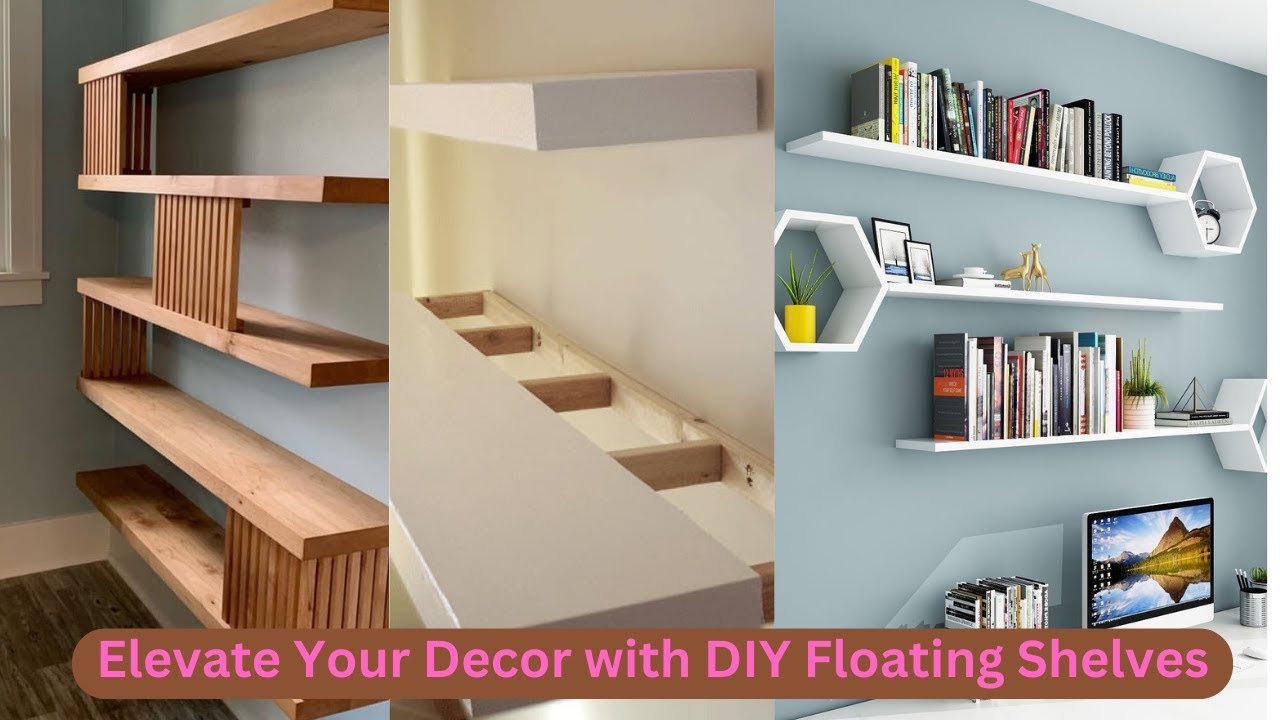
    DIY Floating Shelves Ideas to Enhance Your Home Decor

    DIY Floating Shelves Ideas to Enhance Your Home Decor

    DIY Floating Shelves: Elevate Your Home Decor with Style and Function

    Floating shelves offer a unique blend of style and functionality, seamlessly blending into your home's decor while providing valuable storage space. Whether you're looking to display cherished keepsakes, showcase your book collection, or simply add a touch of visual interest, DIY floating shelves are a fantastic solution.

    The beauty of DIY floating shelves lies in their versatility. You can customize them to perfectly fit your space, choose the materials and finishes that complement your existing decor, and personalize them with unique touches. This guide will equip you with all the knowledge and inspiration you need to create stunning floating shelves that will enhance your home's aesthetics and practicality.

    Step-by-Step Guide to Building DIY Floating Shelves

    Building your own floating shelves is a relatively straightforward process, requiring only a few basic tools and materials. This detailed guide will walk you through each step, ensuring you can create sturdy and stylish shelves with confidence.

    1. Gather Your Tools and Materials

    Before you embark on your DIY journey, ensure you have the necessary tools and materials at hand. This list covers the essentials:

    • Wood planks: Choose wood that complements your decor. Popular options include pine, oak, maple, or plywood.
    • Brackets: These will support the shelves. Select metal or wood brackets depending on your preference and the weight you'll be placing on the shelves.
    • Screws: Use screws suitable for the type of wood and brackets you've chosen. You'll need screws for attaching the brackets to the wall and for attaching the shelves to the brackets.
    • Level: Essential for ensuring your shelves are perfectly straight.
    • Measuring tape: Crucial for accurate measurements.
    • Pencil: For marking where the brackets and shelves will be placed.
    • Drill: For drilling pilot holes to prevent wood from splitting.
    • Saw: For cutting the wood to your desired length (if needed).
    • Sandpaper: For smoothing rough edges and achieving a polished finish.
    • Paint or stain: Optional, but allows you to personalize the appearance of your shelves.

    2. Determine the Placement and Dimensions of Your Shelves

    Carefully consider the best placement for your floating shelves. Think about what you plan to store or display on them and how they will visually enhance the room. Measure the wall space where you intend to install the shelves. Decide on the width, depth, and number of shelves you want to build.

    3. Cut the Wood Planks to Size

    If you need to adjust the length of the wood planks, carefully measure and cut them to size using a saw. Ensure your cuts are clean and precise for a professional-looking finish.

    4. Prepare the Wood

    Once you have your wood planks cut to size, prepare them for installation. Sand the edges and surfaces to create a smooth finish. This step is essential for preventing splinters and improving the appearance of your shelves.

    5. Install the Brackets

    Using a level, carefully mark the wall where you want to install the brackets. Use the appropriate screws and drill pilot holes to prevent the wallboard from splitting. Attach the brackets securely to the wall. The brackets should be positioned so the shelves will be level when installed.

    6. Attach the Shelves to the Brackets

    Now comes the exciting part: assembling the shelves! Carefully place the shelves onto the brackets. Ensure the shelves are level and securely attached to the brackets using screws. If you are using brackets with slots, ensure the screws are long enough to reach through both the shelf and the bracket.

    7. Customize Your Shelves

    The final step is to personalize your DIY floating shelves. This is where your creativity shines! You can paint or stain the shelves to complement your existing decor. Consider using decorative hardware or adding a touch of wallpaper for a unique touch. Let your imagination run wild and create shelves that truly reflect your personal style.

    Tips for Choosing Materials and Design

    Your choice of materials and design can dramatically influence the final look and feel of your DIY floating shelves. Here are some tips to guide your decisions:

    1. Choosing the Right Wood

    • Pine: This softwood is affordable and easy to work with. It has a natural knotty grain, adding a rustic touch.
    • Oak: A classic hardwood known for its strength and durability. Oak provides a rich, warm look.
    • Maple: Offers a beautiful, straight grain pattern and a light, almost white color.
    • Plywood: A budget-friendly and versatile option. Plywood is less prone to warping and provides consistent thickness.

    2. Selecting the Right Brackets

    Brackets are a critical element, determining the shelf's stability and aesthetic. Popular options include:

    • Metal brackets: Modern and sleek, providing a contemporary look.
    • Wood brackets: Add a rustic charm and complement wood shelves seamlessly.
    • Decorative brackets: Offer unique designs and add an artistic touch.

    3. Incorporating Lighting

    Adding lighting to your shelves can dramatically enhance their visual impact. Consider using under-shelf LED lights or installing small spotlights above the shelves to showcase your items beautifully.

    4. Personalizing Your Shelves

    Let your personality shine through! Explore different finishes, add decorative touches, and incorporate unique elements that make your shelves truly your own.

    Creative Uses for DIY Floating Shelves

    The possibilities are endless when it comes to using DIY floating shelves to enhance your home decor. Here are a few inspiring ideas:

    • Displaying books and collectibles: Create a stunning bookshelf or display your favorite keepsakes in a stylish way.
    • Organizing bathroom essentials: Organize towels, toiletries, and decorative items in a functional and elegant manner.
    • Adding storage in the kitchen: Store spices, herbs, or kitchen utensils conveniently within reach.
    • Creating a unique gallery wall: Display your favorite photographs or artwork in a curated collection.
    • Adding a decorative touch in a bedroom: Showcase decorative items, plants, or a collection of books on your nightstand.

    Safety Tips for Building and Installing DIY Floating Shelves

    Safety is paramount when working with power tools and installing shelves. Follow these guidelines for a safe and successful DIY project:

    • Always wear safety goggles: Protect your eyes from flying debris.
    • Use appropriate hearing protection: Power tools can generate loud noises.
    • Use the right tools and techniques: Ensure your tools are in good working condition and use them correctly.
    • Install shelves securely: Use sturdy brackets and install them into studs or use appropriate anchors for drywall installation.
    • Consider the weight distribution: Don't overload the shelves with items that exceed their weight capacity.
    • Do not install shelves over electrical outlets or plumbing fixtures: Avoid any potential hazards.

    With these tips and a bit of creativity, you can build stunning DIY floating shelves that transform your home decor and elevate your living spaces. Enjoy the process of customizing your shelves and enjoy the rewarding experience of creating something beautiful and functional with your own hands!

    Read More..

    How to Make Space-Saving Wine Racks That Are Easy to Sell

    How to Make Space-Saving Wine Racks That Are Easy to Sell

    How to Make Space-Saving Wine Racks That Are Easy to Sell

    Wine lovers often face a common challenge: storing their growing collection in a way that saves space and looks stylish. Enter the space-saving wine rack, a solution that not only maximizes storage capacity but also adds a touch of elegance to any space. This article will guide you through the process of crafting space-saving wine racks that are sure to sell, from choosing the right materials to maximizing design appeal.

    Choosing the Right Materials

    The first step in crafting your wine racks is selecting materials that are both durable and visually appealing. Here's a breakdown of popular options:

    Wood

    Wood remains a classic choice for wine racks, offering natural beauty and a warm, inviting feel. Consider using reclaimed wood for an eco-friendly and rustic touch.

    Metal

    Metal, particularly steel or iron, provides strength and a modern aesthetic. It can be painted or left in its natural state for a minimalist look.

    Acrylic

    Acrylic is a transparent material that allows your wine collection to be showcased. It's lightweight, easy to clean, and offers a contemporary style.

    Space-Saving Design Techniques

    The key to creating space-saving wine racks lies in maximizing vertical storage and minimizing footprint. Explore these design strategies:

    Stacked Racks

    Instead of spreading out your wine bottles, stack them vertically. This creates a compact and efficient use of space.

    Wall-Mounted Racks

    Mount your wine racks directly on the wall to free up valuable floor space. This is especially helpful for smaller kitchens or dining rooms.

    Corner Racks

    Utilize often-unused corner spaces by creating custom corner wine racks. This maximizes storage while adding visual interest to the room.

    Tips for Enhancing Design Appeal

    Beyond functionality, your wine racks should also be aesthetically pleasing. Here's how to elevate their design:

    Finishing Touches

    Add personality to your wine racks with finishing touches like:

    • Staining or painting wood to match existing décor
    • Using decorative hardware for metal racks
    • Incorporating LED lighting for a dramatic effect

    Variety and Flexibility

    Design wine racks that can accommodate different bottle sizes and types. This ensures a wider market appeal and caters to diverse customer needs.

    Sustainability

    Consider using recycled materials or employing eco-friendly manufacturing processes. This resonates with environmentally conscious consumers.

    Marketing and Selling Your Wine Racks

    Now that your space-saving wine racks are ready, it's time to attract buyers:

    Online Marketplaces

    List your wine racks on platforms like Etsy, Amazon Handmade, or specialized woodworking marketplaces. This allows you to reach a wider audience.

    Local Craft Fairs and Shows

    Participate in local craft fairs and events to showcase your work in person. This allows for direct customer interaction and potential commissions.

    Social Media Promotion

    Utilize Instagram, Facebook, or Pinterest to showcase your wine racks and build a following. Share high-quality photos and engaging captions to attract potential buyers.

    Creating space-saving wine racks that are both functional and visually appealing is a rewarding endeavor. By following these tips, you can craft products that appeal to wine lovers while building a successful business.

    Read More..

    Eco-Friendly DIY Wood Floating Shelves Ideas

    Eco-Friendly DIY Wood Floating Shelves Ideas

    Eco-Friendly DIY Wood Floating Shelves: A Guide to Green Home Decor

    Hey there, fellow DIY enthusiast! Are you looking to give your space a refresh without harming the planet? You've come to the right place! Let's talk about building some eco-friendly floating shelves. Not only will they add a touch of modern elegance to your home, but they'll also give you a chance to get creative and reduce your environmental footprint.

    Why Choose Eco-Friendly Floating Shelves?

    Floating shelves are a fantastic addition to any room. They offer a clean, minimalist look and free up valuable floor space. But did you know they can also be eco-friendly?

    Here's why choosing eco-friendly DIY floating shelves is a win-win:

    • Sustainable Materials: By using reclaimed or sustainably harvested wood, you're giving new life to materials and reducing the demand for virgin timber. Think about repurposing old pallets, salvaged barn wood, or even bamboo!
    • Reduced Waste: Building your own shelves cuts down on packaging waste associated with pre-made furniture. It also helps you avoid buying something that might end up in a landfill later on.
    • Personalized Style: DIY projects give you the freedom to personalize your shelves with unique finishes, colors, and designs. This not only adds character to your space but also reduces the need for mass-produced furniture.
    • Lower Carbon Footprint: By sourcing materials locally and minimizing transportation distances, you're reducing the carbon emissions associated with manufacturing and shipping furniture.

    Choosing Your Eco-Friendly Materials

    The heart of your eco-friendly floating shelves lies in the wood you choose. Here are a few options to get you started:

    Reclaimed Wood

    Reclaimed wood is a fantastic eco-friendly choice. It's already been used once, reducing the demand for new timber and keeping those materials out of landfills. You can find reclaimed wood at salvage yards, demolition sites, or even from old furniture you might have lying around. Be sure to give the wood a good clean and sand it down before using it. You might find some unique knots, imperfections, and character in the wood - embrace them!

    Sustainably Harvested Wood

    Look for wood that comes from forests managed sustainably. This means they prioritize reforestation and responsible logging practices, ensuring long-term health for our forests. Look for certifications like FSC (Forest Stewardship Council) to ensure the wood comes from a sustainable source. Common sustainable hardwoods include oak, maple, and walnut. Consider using local, regionally sourced hardwoods to further minimize transportation impact.

    Bamboo

    Bamboo is an incredibly fast-growing and renewable resource. It's strong, durable, and aesthetically pleasing. Look for bamboo that's been sustainably harvested and sustainably processed.

    Essential Tools and Supplies

    To get started with your eco-friendly DIY project, gather these basic tools and supplies:
    • Wood: Your chosen reclaimed, sustainable, or bamboo lumber, cut to your desired dimensions
    • Saw: Circular saw, hand saw, or jigsaw for cutting the wood
    • Sandpaper: Different grits for smoothing the wood surface
    • Measuring Tape: For accurate measurements
    • Pencil: For marking cutting lines
    • Screwdriver or Drill: For attaching brackets and shelves
    • Screws: To secure the brackets to the wall and the shelves to the brackets
    • Level: To ensure your shelves are straight
    • Optional: Wood stain, paint, or sealant to finish your shelves

    Design and Measurement

    Now comes the fun part - planning your shelf design! Consider factors like:

    • Size and Shape: Decide on the length and width of your shelves. You can choose to create a single, long shelf or several smaller shelves.
    • Placement: Determine the exact location of your shelves and measure the space. Make sure you account for any existing fixtures or outlets.
    • Weight Capacity: Ensure that the materials you choose can support the weight you plan to place on the shelves.

    Once you have a good idea of your desired design and size, draw a diagram and create a cutting list to ensure you have all the necessary wood pieces ready.

    Step-by-Step Guide

    Let's get those hands dirty and build those shelves! Follow these steps for a successful and eco-friendly project:
    1. Prepare the Wood: Cut the wood to your desired dimensions, using a saw, a jigsaw, or even a handsaw if you're feeling old-school. Sand the wood to create a smooth finish, removing any rough edges.
    2. Assemble the Brackets: Attach the brackets to the wall using screws. Make sure they are evenly spaced and level. This step might require using a stud finder to ensure that you are attaching the brackets securely to wall studs for maximum stability.
    3. Attach the Shelves: Use screws to attach the shelves to the brackets. Be sure to use screws that are the appropriate length and strength for your chosen wood. When attaching the shelves, use a level to ensure they are straight and even.
    4. Finishing Touches: If you want to add a protective layer or enhance the natural beauty of the wood, you can apply a wood stain, paint, or sealant. Choose a finish that's eco-friendly and non-toxic. Let the finish dry completely before loading your shelves.

    Tips for Success

    Here are some extra tips to make your eco-friendly DIY project even more awesome:

    • Safety First: When working with power tools, always prioritize safety. Wear safety glasses and hearing protection. Secure your work area and use caution.
    • Measure Twice, Cut Once: Accuracy is key in woodworking. Double-check your measurements before cutting your wood. It’s better to be safe than sorry!
    • Embrace Imperfections: Reclaimed and rustic woods often have knots, cracks, and unique markings. Embrace these imperfections! They add character and story to your shelves.
    • Get Creative: Don't be afraid to experiment with different designs and finishes. There are endless possibilities! You could add decorative details like wood beads or create unique shelf shapes.
    • Share Your Success: Once your shelves are complete, be proud of your eco-friendly creation! Take pictures and share them with your friends and family.

    Beyond the Shelves: Upcycling and Repurposing

    Remember, your eco-friendly DIY journey doesn't end with floating shelves. There are so many ways to create sustainable and stylish home decor! Think about repurposing old furniture, turning old clothes into new designs, or even creating your own unique art pieces. Let your imagination run wild and make your home reflect your commitment to sustainable living.

    So, get those tools ready, embrace your creativity, and start building your eco-friendly DIY floating shelves! You'll be amazed at what you can create, and you'll feel good knowing you're doing something good for the planet. Happy crafting!

    Read More..

    Start Woodworking with These Beginner-Friendly Projects

    Start Woodworking with These Beginner-Friendly Projects

    Start Woodworking with These Beginner-Friendly Projects

    Woodworking is a rewarding hobby that allows you to create beautiful and functional items with your own hands. It's a great way to relieve stress, express your creativity, and learn a new skill. But where do you start? If you're new to woodworking, it can be overwhelming to know which projects to tackle first. Don't worry â€" there are plenty of beginner-friendly projects that will get you started on the right foot.

    Simple and Satisfying Projects

    Start with projects that are small and manageable. These will give you a chance to practice your basic skills and build your confidence before tackling larger projects. Here are a few ideas:

    Cutting Board

    A cutting board is a kitchen essential that's also a great beginner project. You can choose from a variety of wood types, and the process is relatively simple. Start by cutting the wood to size, then use a router to create a beveled edge. Sand the board smooth and apply a food-safe finish. You'll have a beautiful and functional cutting board in no time.

    Wooden Coasters

    Coasters are a great way to add a touch of personality to your home décor. They're also an easy project to learn basic woodworking skills. Simply cut squares or circles of wood, sand them smooth, and apply a finish of your choice. Get creative with different wood types, stains, or even add decorative elements like burn marks or painted designs.

    Birdhouse

    Building a birdhouse is a fun and rewarding project that will attract feathered friends to your yard. It's a great way to practice using a variety of tools, including a saw, drill, and sander. You can find plenty of free birdhouse plans online to get you started.

    Essential Tools for Beginners

    Before you start any woodworking project, you'll need to gather some essential tools. The good news is that you don't need a lot of fancy equipment to get started. Here's a basic list of tools to get you going:

    • Measuring Tape: For accurate measurements.
    • Hand Saw: For cutting wood to size.
    • Hammer: For driving nails and securing wood.
    • Screwdriver: For attaching screws.
    • Sandpaper: For smoothing wood surfaces.
    • Wood Glue: For bonding wood together.
    • Clamps: For holding wood pieces together while gluing or attaching hardware.
    • Safety Glasses: To protect your eyes from wood chips and debris.
    • Hearing Protection: To protect your ears from loud noises.

    Tips for Success

    Here are some tips to help you avoid common beginner mistakes and ensure your woodworking projects are successful:

    • Start Small: Begin with simple projects and gradually work your way up to more challenging ones.
    • Read Instructions Carefully: Follow plans and instructions closely. Pay attention to details and measurements.
    • Practice Safety: Always wear safety glasses and hearing protection, and use tools properly.
    • Ask for Help: Don't be afraid to ask for help if you're unsure about something. There are plenty of resources available, including online tutorials, woodworking communities, and even local workshops.
    • Have Fun: Remember, woodworking is a hobby. Enjoy the process and be proud of your accomplishments.

    Woodworking is a rewarding and enjoyable hobby that can be enjoyed by people of all ages and skill levels. Don't be afraid to jump in and give it a try. With a little practice and patience, you'll be creating beautiful and functional pieces in no time.

    Read More..

    Small Wood Projects for First-Time Builders

    Small Wood Projects for First-Time Builders

    Small Wood Projects for First-Time Builders: Get Your DIY On!

    Alright, you're ready to tackle some woodworking, but you're not quite ready to build a whole house (yet!). That's awesome! Starting with small projects is the perfect way to learn the basics and build confidence. And trust me, there's a whole world of satisfaction in creating something beautiful with your own two hands.

    Think about it: building something out of wood is like magic! You start with a pile of lumber and some tools, and bam! Suddenly, you've got a functional, beautiful piece that you can use and enjoy.

    Let's dive into some amazing projects that will have you feeling like a woodworking pro in no time.

    Simple and Satisfying: Small Wood Projects for Beginners

    Don't worry, we're not talking about building a complicated dollhouse (though that's a great project later on!). We're starting with the basics, projects that are easy to learn and make you feel like a master woodworker.

    1. Wooden Coasters:

    These are perfect for protecting your furniture and adding a touch of personality to your home. You can get fancy with different shapes, wood types, and even add some decorative elements. Plus, they're a great way to practice cutting, sanding, and finishing.

    What you'll need:

    • Wood squares (about 4 inches by 4 inches) - you can use scrap wood or buy some specifically for this project
    • Sandpaper (different grits, like 80, 120, and 220)
    • Wood glue
    • Finish (like polyurethane or stain) - this will protect your coasters and give them a beautiful look
    • Clamps
    • Circular saw or jigsaw (optional, you can also use a handsaw)
    • Measuring tape and pencil

    Instructions:

    • Cut your wood squares to the desired size.
    • Sand each side to smooth out any rough edges.
    • Apply a finish if desired.
    • Let the finish dry completely.
    • Enjoy your new coasters!

    2. Wooden Picture Frame:

    This is a classic project that's always a winner. You can customize the size to fit your favorite photos and use different wood types to create a unique look.

    What you'll need:

    • Wood strips (1/2 inch by 1 inch or similar) - choose the length based on the size of your photo
    • Miter saw or handsaw
    • Wood glue
    • Clamps
    • Sandpaper
    • Finish (optional)
    • Measuring tape and pencil

    Instructions:

    • Cut your wood strips to the desired lengths using a miter saw or handsaw.
    • Use wood glue to join the four strips together at the corners, making sure the miter cuts align perfectly.
    • Clamp the frame together and let the glue dry completely.
    • Sand the frame to smooth out any rough edges and to prepare it for finishing.
    • Apply a finish if desired.
    • Insert your photo and admire your handiwork!

    3. Simple Cutting Board:

    This is a super useful and practical project. You can use scrap wood or buy a nice piece of hardwood for a more professional look. This project will introduce you to the world of cutting and finishing techniques.

    What you'll need:

    • Wood board (about 12 inches by 18 inches) - choose a wood type that's safe for food, like maple or walnut
    • Circular saw or jigsaw (optional, you can also use a handsaw)
    • Sandpaper (different grits)
    • Mineral oil or butcher block oil (for finishing)
    • Measuring tape and pencil

    Instructions:

    • Cut your wood board to the desired size and shape using a saw.
    • Sand the entire surface with sandpaper to create a smooth, even finish.
    • Apply mineral oil or butcher block oil to protect the board and enhance its natural beauty.
    • Let the oil dry completely.
    • Use your new cutting board with pride!

    Level Up Your Woodworking:

    Feeling confident? Ready for some more challenging projects that will really push your skills? Here's where things get exciting!

    4. Wooden Bookends:

    These are a great way to add a touch of style to your bookshelf and keep those books organized. You can get creative with shapes and designs.

    What you'll need:

    • Wood blocks (about 4 inches by 4 inches by 2 inches)
    • Sandpaper
    • Wood glue
    • Clamps
    • Finish (optional)
    • Circular saw or jigsaw (optional, you can also use a handsaw)
    • Measuring tape and pencil
    • Optional: wood carving tools for a more personalized look

    Instructions:

    • Cut your wood blocks to the desired size and shape.
    • Sand each block to smooth out any rough edges.
    • Add wood carving details if desired.
    • Apply a finish if desired.
    • Let the finish dry completely.
    • Use your bookends to add a personal touch to your bookshelf.

    5. Simple Wooden Toy Box:

    This is a project that's both practical and fun. It's perfect for storing toys or other items around your home.

    What you'll need:

    • Wood planks (for the sides, bottom, and top of the box) - consider using plywood for the bottom
    • Wood glue
    • Screws and screwdriver
    • Clamps
    • Sandpaper
    • Finish (optional)
    • Measuring tape and pencil
    • Saw (circular saw, jigsaw, or handsaw)
    • Optional: hinges and a handle for the lid

    Instructions:

    • Cut your wood planks to the desired dimensions for the sides, bottom, and top of the box.
    • Use wood glue and screws to attach the sides to the bottom piece.
    • Attach the top to the sides using hinges.
    • Add a handle to the top if desired.
    • Sand the entire box to smooth out any rough edges.
    • Apply a finish if desired.
    • Enjoy your new toy box!

    Tips for First-Time Woodworkers:

    Here are some tips to make your woodworking journey smoother and more enjoyable:

    • Start small: Don't try to tackle a complex project right away. Begin with simple projects to get comfortable with the tools and techniques.
    • Safety first: Always wear safety glasses and hearing protection when using power tools.
    • Measure twice, cut once: Accuracy is key in woodworking. Measure carefully before making any cuts.
    • Don't be afraid to ask for help: There are tons of resources available to help you, including online tutorials, woodworking classes, and experienced woodworkers.
    • Practice makes perfect: The more you work with wood, the more comfortable you'll become.
    • Have fun: Woodworking should be enjoyable. Don't get discouraged if things don't go perfectly the first time. Just keep learning and experimenting!

    Woodworking is a rewarding hobby that can bring you years of satisfaction. By starting with small projects and gradually working your way up to more complex ones, you'll develop the skills and confidence to create amazing things with wood. So grab some tools, find some lumber, and get ready to unleash your inner woodworker!

    Read More..

    Small Wood Projects for First-Time Builders

    Small Wood Projects for First-Time Builders

    Small Wood Projects for First-Time Builders: Get Your DIY On!

    Alright, you're ready to tackle some woodworking, but you're not quite ready to build a whole house (yet!). That's awesome! Starting with small projects is the perfect way to learn the basics and build confidence. And trust me, there's a whole world of satisfaction in creating something beautiful with your own two hands.

    Think about it: building something out of wood is like magic! You start with a pile of lumber and some tools, and bam! Suddenly, you've got a functional, beautiful piece that you can use and enjoy.

    Let's dive into some amazing projects that will have you feeling like a woodworking pro in no time.

    Simple and Satisfying: Small Wood Projects for Beginners

    Don't worry, we're not talking about building a complicated dollhouse (though that's a great project later on!). We're starting with the basics, projects that are easy to learn and make you feel like a master woodworker.

    1. Wooden Coasters:

    These are perfect for protecting your furniture and adding a touch of personality to your home. You can get fancy with different shapes, wood types, and even add some decorative elements. Plus, they're a great way to practice cutting, sanding, and finishing.

    What you'll need:

    • Wood squares (about 4 inches by 4 inches) - you can use scrap wood or buy some specifically for this project
    • Sandpaper (different grits, like 80, 120, and 220)
    • Wood glue
    • Finish (like polyurethane or stain) - this will protect your coasters and give them a beautiful look
    • Clamps
    • Circular saw or jigsaw (optional, you can also use a handsaw)
    • Measuring tape and pencil

    Instructions:

    • Cut your wood squares to the desired size.
    • Sand each side to smooth out any rough edges.
    • Apply a finish if desired.
    • Let the finish dry completely.
    • Enjoy your new coasters!

    2. Wooden Picture Frame:

    This is a classic project that's always a winner. You can customize the size to fit your favorite photos and use different wood types to create a unique look.

    What you'll need:

    • Wood strips (1/2 inch by 1 inch or similar) - choose the length based on the size of your photo
    • Miter saw or handsaw
    • Wood glue
    • Clamps
    • Sandpaper
    • Finish (optional)
    • Measuring tape and pencil

    Instructions:

    • Cut your wood strips to the desired lengths using a miter saw or handsaw.
    • Use wood glue to join the four strips together at the corners, making sure the miter cuts align perfectly.
    • Clamp the frame together and let the glue dry completely.
    • Sand the frame to smooth out any rough edges and to prepare it for finishing.
    • Apply a finish if desired.
    • Insert your photo and admire your handiwork!

    3. Simple Cutting Board:

    This is a super useful and practical project. You can use scrap wood or buy a nice piece of hardwood for a more professional look. This project will introduce you to the world of cutting and finishing techniques.

    What you'll need:

    • Wood board (about 12 inches by 18 inches) - choose a wood type that's safe for food, like maple or walnut
    • Circular saw or jigsaw (optional, you can also use a handsaw)
    • Sandpaper (different grits)
    • Mineral oil or butcher block oil (for finishing)
    • Measuring tape and pencil

    Instructions:

    • Cut your wood board to the desired size and shape using a saw.
    • Sand the entire surface with sandpaper to create a smooth, even finish.
    • Apply mineral oil or butcher block oil to protect the board and enhance its natural beauty.
    • Let the oil dry completely.
    • Use your new cutting board with pride!

    Level Up Your Woodworking:

    Feeling confident? Ready for some more challenging projects that will really push your skills? Here's where things get exciting!

    4. Wooden Bookends:

    These are a great way to add a touch of style to your bookshelf and keep those books organized. You can get creative with shapes and designs.

    What you'll need:

    • Wood blocks (about 4 inches by 4 inches by 2 inches)
    • Sandpaper
    • Wood glue
    • Clamps
    • Finish (optional)
    • Circular saw or jigsaw (optional, you can also use a handsaw)
    • Measuring tape and pencil
    • Optional: wood carving tools for a more personalized look

    Instructions:

    • Cut your wood blocks to the desired size and shape.
    • Sand each block to smooth out any rough edges.
    • Add wood carving details if desired.
    • Apply a finish if desired.
    • Let the finish dry completely.
    • Use your bookends to add a personal touch to your bookshelf.

    5. Simple Wooden Toy Box:

    This is a project that's both practical and fun. It's perfect for storing toys or other items around your home.

    What you'll need:

    • Wood planks (for the sides, bottom, and top of the box) - consider using plywood for the bottom
    • Wood glue
    • Screws and screwdriver
    • Clamps
    • Sandpaper
    • Finish (optional)
    • Measuring tape and pencil
    • Saw (circular saw, jigsaw, or handsaw)
    • Optional: hinges and a handle for the lid

    Instructions:

    • Cut your wood planks to the desired dimensions for the sides, bottom, and top of the box.
    • Use wood glue and screws to attach the sides to the bottom piece.
    • Attach the top to the sides using hinges.
    • Add a handle to the top if desired.
    • Sand the entire box to smooth out any rough edges.
    • Apply a finish if desired.
    • Enjoy your new toy box!

    Tips for First-Time Woodworkers:

    Here are some tips to make your woodworking journey smoother and more enjoyable:

    • Start small: Don't try to tackle a complex project right away. Begin with simple projects to get comfortable with the tools and techniques.
    • Safety first: Always wear safety glasses and hearing protection when using power tools.
    • Measure twice, cut once: Accuracy is key in woodworking. Measure carefully before making any cuts.
    • Don't be afraid to ask for help: There are tons of resources available to help you, including online tutorials, woodworking classes, and experienced woodworkers.
    • Practice makes perfect: The more you work with wood, the more comfortable you'll become.
    • Have fun: Woodworking should be enjoyable. Don't get discouraged if things don't go perfectly the first time. Just keep learning and experimenting!

    Woodworking is a rewarding hobby that can bring you years of satisfaction. By starting with small projects and gradually working your way up to more complex ones, you'll develop the skills and confidence to create amazing things with wood. So grab some tools, find some lumber, and get ready to unleash your inner woodworker!

    Read More..

    Woodworking Plans for Beginners on a Budget

    Woodworking Plans for Beginners on a Budget

    Woodworking Plans for Beginners on a Budget

    Embarking on a woodworking journey can be both rewarding and financially daunting. However, it's entirely possible to build beautiful and functional pieces without breaking the bank. This guide provides a comprehensive overview of woodworking plans designed for beginners, prioritizing affordability and practicality.

    Understanding the Basics

    Before diving into specific projects, it's essential to grasp the fundamental principles of woodworking. These concepts will lay a solid foundation for your future endeavors.

    Choosing the Right Wood

    Different woods possess unique characteristics, influencing their suitability for specific projects. Softwoods, like pine and fir, are typically affordable and easy to work with, making them ideal for beginners. Hardwoods, such as oak and maple, offer durability and a more refined aesthetic but come at a higher cost.

    Essential Tools

    A modest set of tools is sufficient for embarking on your woodworking journey. Some essential items include:

    • Hand saw or circular saw
    • Hammer
    • Screwdriver set
    • Measuring tape
    • Level
    • Clamps
    • Sandpaper
    • Safety glasses and gloves

    Safety First

    Woodworking inherently involves sharp tools and potentially dangerous machinery. Prioritize safety by:

    • Wearing appropriate safety gear
    • Using caution when handling tools
    • Maintaining a clean and organized workspace

    Budget-Friendly Woodworking Plans

    Here are a selection of woodworking projects perfect for beginners on a budget, offering a blend of practicality, affordability, and aesthetic appeal.

    Simple Serving Tray

    This project requires minimal tools and materials. Start with a piece of plywood or MDF, cut it to your desired dimensions, and attach handles using wood glue and screws. Finish with a coat of paint or stain for a personalized touch.

    Rustic Picture Frame

    Gather scrap wood in different shapes and sizes to create a unique and charming picture frame. Use wood glue and clamps to assemble the pieces, ensuring a secure fit. Sand the frame, apply a finish, and display your favorite photograph.

    Wooden Cutting Board

    An essential kitchen accessory, a wooden cutting board is a practical and visually appealing project. Utilize a sturdy piece of wood, such as maple or walnut, and cut it to the desired size. Apply food-safe oil to enhance the board's durability and moisture resistance.

    Floating Shelves

    Transform your space with stylish floating shelves. Cut wooden boards to your preferred lengths, then use L-brackets to secure them to the wall. Finish the shelves with paint or stain for a cohesive look.

    Birdhouse

    Create a welcoming haven for feathered friends with a simple birdhouse. Use a pre-made kit or design your own, ensuring an appropriate size and entry hole. Attach a sturdy pole for mounting the birdhouse in your garden.

    Finding Free and Affordable Woodworking Plans

    Fortunately, numerous resources offer free and inexpensive woodworking plans for beginners. These options allow you to explore various project ideas without spending a fortune.

    Online Resources

    • Ana White: A renowned website with a vast collection of free woodworking plans, including projects for all skill levels.
    • Woodworking for Mere Mortals: Offers detailed plans and tutorials, emphasizing simple woodworking techniques for beginners.
    • Instructables: A community-driven website where users share their woodworking projects and plans.
    • Pinterest: A visual search engine where you can browse images of woodworking projects and find inspiration.

    Local Libraries and Community Centers

    Many libraries and community centers offer free woodworking plans and resources. They often host workshops and classes for beginners, providing hands-on learning experiences.

    Secondhand Stores and Salvage Yards

    Thrift stores and salvage yards can be treasure troves of affordable wood and materials. Look for reclaimed lumber, vintage furniture pieces, and discarded items that you can repurpose into unique woodworking projects.

    Tips for Saving Money

    Here are some practical tips for maximizing your budget and creating woodworking projects on a shoestring:

    Reuse and Repurpose

    Transform old furniture, pallets, and other discarded materials into functional and stylish woodworking projects. This approach adds a unique character to your creations while saving on material costs.

    Buy in Bulk

    If you're planning several projects, consider buying wood in bulk to take advantage of discounts. However, ensure you have sufficient storage space for the extra lumber.

    Shop Around

    Compare prices from different retailers and hardware stores to find the best deals on tools and materials. Online marketplaces often offer competitive pricing, especially for bulk purchases.

    Utilize Free or Discounted Resources

    Look for free woodworking workshops, classes, or tutorials offered by local community centers or organizations. These resources can provide valuable skills and knowledge while saving on expensive lessons.

    Conclusion

    Woodworking on a budget is achievable and immensely rewarding. By starting with simple projects, learning essential techniques, and utilizing available resources, beginners can embark on a fulfilling journey of creativity and craftsmanship.

    Remember to prioritize safety, practice patience, and enjoy the process of transforming wood into beautiful and functional objects. With dedication and a bit of ingenuity, your woodworking journey can flourish even on a limited budget.

    Read More..

    Organize Your Home with Easy DIY Wood Floating Shelves

    Organize Your Home with Easy DIY Wood Floating Shelves

    Organize Your Home with Easy DIY Wood Floating Shelves

    Tired of clutter and cramped spaces? Floating shelves offer a stylish and practical solution for organizing your home. These minimalist shelves create a sense of spaciousness while showcasing your belongings in a visually appealing way. The best part? You don't need a professional to create them! With a few basic tools and some readily available materials, you can build your own DIY floating shelves, adding a touch of personalization and affordability to your home decor.

    Gather Your Supplies

    Before you begin, gather all the necessary materials and tools. This will ensure a smooth and efficient building process. Here's a comprehensive list of what you'll need:

    Materials

    • Wood boards (pine, maple, or oak are great choices)
    • Shelf brackets (metal or wood)
    • Wood stain or paint (optional)
    • Wood glue
    • Screws
    • Drill
    • Measuring tape
    • Level
    • Pencil
    • Sandpaper
    • Safety glasses
    • Dust mask

    Tools

    • Saw (circular saw or miter saw)
    • Drill (with appropriate drill bits)
    • Screwdriver
    • Hammer (optional)

    Measure and Cut Your Shelves

    Begin by carefully measuring the space where you want to install your shelves. This step is crucial for ensuring that your shelves fit perfectly and look balanced. Decide on the desired length, width, and depth of your shelves. Using a pencil, mark the cuts on the wood boards.

    Now, it's time to cut the boards using your saw. Make sure to wear safety glasses and a dust mask during this process. Be precise with your cuts for a professional look. Once the boards are cut, lightly sand down any rough edges or imperfections.

    Stain or Paint Your Shelves

    If you want to add a touch of color or a specific finish to your shelves, now is the time to stain or paint them. Apply a coat of wood stain or paint according to the manufacturer's instructions. Allow the stain or paint to dry completely before proceeding.

    Attach the Shelf Brackets

    Now, it's time to attach the shelf brackets to the wall. Use a level to ensure that the brackets are perfectly aligned. Mark the screw locations on the wall with a pencil and pre-drill pilot holes to prevent the wood from splitting.

    Attach the brackets securely to the wall using screws. It's important to choose screws that are long enough to provide adequate support for the shelves. Once the brackets are securely fastened, use wood glue to attach the shelves to the brackets.

    Enjoy Your DIY Floating Shelves

    Congratulations! You've successfully built your own DIY floating shelves. Now it's time to showcase your favorite belongings and add a touch of personality to your space. These shelves are perfect for displaying books, artwork, plants, or anything that adds a personal touch to your home decor.

    With a little time and effort, you can transform your home with these stylish and practical shelves. Not only will they help you organize your belongings, but they will also add a touch of elegance and functionality to your home. Enjoy the satisfaction of creating something unique and beautiful for your space!

    Read More..

    Wooden Gifts That Show You Care

    Wooden Gifts That Show You Care

    Wooden Gifts That Show You Care

    In a world of fleeting trends and disposable products, wooden gifts stand as a testament to enduring quality and heartfelt sentiment. Their natural beauty, timeless appeal, and handcrafted charm make them a meaningful choice for any occasion.

    The Enduring Appeal of Wood

    Wood has been a cherished material for centuries, embodying both practicality and artistry. Its unique grain patterns, warm tones, and natural variations create pieces that are both visually stunning and emotionally resonant. The very act of gifting wood signifies a commitment to durability, longevity, and the appreciation of craftsmanship.

    Natural Beauty and Versatility

    From the rich hues of mahogany to the light elegance of maple, each wood species offers a distinct aesthetic. Its versatility allows for a wide range of designs, from intricate carvings to sleek, minimalist forms. The natural grain patterns tell a story of the tree's life, adding a unique character to each piece.

    Sustainability and Eco-Consciousness

    Choosing wooden gifts promotes sustainability and environmental responsibility. Wood is a renewable resource, and when sourced ethically, it contributes to responsible forestry practices. By opting for wood over synthetic materials, you contribute to a greener future.

    Sentimental Value and Lasting Memories

    Wooden gifts evoke a sense of nostalgia and tradition. They become cherished heirlooms passed down through generations, carrying with them stories and memories. Their longevity ensures that the gift will continue to be appreciated for years to come.

    A Treasure Trove of Wooden Gift Ideas

    The world of wooden gifts is vast and varied, catering to diverse tastes and occasions. Here are some inspiring ideas to spark your creativity:

    For the Home

    • Wooden Cutting Boards: A practical and stylish addition to any kitchen, ideal for both novice and experienced cooks.
    • Personalized Serving Trays: Engraved with names, initials, or special messages, these trays create a touch of elegance for entertaining.
    • Wooden Wall Clocks: A timeless statement piece for any room, showcasing handcrafted designs and intricate details.
    • Wooden Picture Frames: Highlight treasured photos and memories with the warmth and elegance of wood.
    • Wooden Jewelry Boxes: Safeguard precious jewelry and accessories in a beautifully crafted box.
    • Wooden Candlesticks: Add a touch of rustic charm and warm ambiance to any space.
    • Wooden Planters: Bring the beauty of nature indoors with stylish and sustainable planters.

    For the Foodie

    • Wooden Wine Racks: Organize and display a wine collection with a touch of sophistication.
    • Wooden Cheese Boards: Elevate cheese tasting experiences with a handcrafted cheese board and knife set.
    • Wooden Utensil Holders: Add a touch of rustic charm to the kitchen with a functional and stylish utensil holder.
    • Wooden Salad Servers: A stylish and sustainable alternative to plastic servers.
    • Wooden Rolling Pins: For the baking enthusiast, a beautifully crafted rolling pin adds a touch of elegance to the kitchen.

    For the Traveler

    • Wooden Luggage Tags: Personalized luggage tags ensure that belongings stay safe and identifiable during travels.
    • Wooden Travel Journal: Encourage journaling and reflection with a beautiful, durable travel journal.
    • Wooden Compass: A timeless and practical gift for the adventurous soul.
    • Wooden Keychain: A compact and meaningful way to carry a piece of home while on the go.
    • Wooden Map Wall Art: A stylish and personalized way to commemorate past travels or dream destinations.

    For the Creative Soul

    • Wooden Art Supplies: From drawing pencils to sculpting tools, wooden art supplies enhance creativity and craftsmanship.
    • Wooden Sketchbooks: Provide the perfect canvas for artistic expression with a handcrafted wooden sketchbook.
    • Wooden Music Boxes: A whimsical and sentimental gift for music lovers, playing enchanting melodies.
    • Wooden Bookends: Organize and display books with a touch of sophistication and artistic flair.

    For the Sentimental

    • Personalized Wooden Ornaments: Capture special moments and memories with engraved wooden ornaments.
    • Wooden Photo Albums: Preserve cherished memories and photos in a beautiful and lasting album.
    • Wooden Memory Boxes: Create a safe haven for special keepsakes and mementos.
    • Wooden Engagement Rings: Express eternal love and commitment with a handcrafted wooden engagement ring.

    Finding the Perfect Wooden Gift

    When searching for a wooden gift, consider the recipient's personality, interests, and the occasion. A personalized touch, such as an engraved message or a custom design, adds a special element of thoughtfulness. Look for handcrafted pieces made with sustainable wood and responsible practices.

    Choosing the Right Wood

    • Oak: Durable and elegant, with rich grain patterns.
    • Maple: Light and versatile, known for its smooth finish.
    • Walnut: Warm brown tones with intricate grain patterns.
    • Cherry: Soft and lustrous, with a rich reddish hue.
    • Mahogany: Dark and luxurious, known for its durability.

    The Gift That Keeps on Giving

    Wooden gifts are more than just objects; they are tokens of care and appreciation that endure over time. Their natural beauty, handcrafted charm, and sustainable nature make them a thoughtful choice for any occasion. With their enduring quality and sentimental value, wooden gifts are truly gifts that keep on giving.

    Read More..

    Wood Floating Shelves for Books: Make the Most of Wall Space

    Wood Floating Shelves for Books: Make the Most of Wall Space

    Wood Floating Shelves for Books: Make the Most of Wall Space

    In the realm of interior design, maximizing space and enhancing aesthetics are paramount. Among the myriad solutions, wood floating shelves stand out as a versatile and stylish option, particularly for book lovers. These shelves offer a practical and visually appealing way to display and organize your literary treasures while adding a touch of warmth and elegance to any room.

    The Allure of Wood Floating Shelves

    Wood floating shelves possess an inherent charm that seamlessly blends with a diverse range of interior styles. The natural beauty of wood, whether it's the rich grain of oak, the rustic charm of pine, or the sleek sophistication of walnut, adds a touch of organic warmth and authenticity to any space. Their minimalist design, devoid of visible brackets or supports, creates an illusion of books floating effortlessly against the wall, enhancing the visual appeal and adding a sense of lightness and airiness to the room.

    Advantages of Wood Floating Shelves

    Beyond their aesthetic appeal, wood floating shelves offer a multitude of practical advantages:

    Space Maximization

    Floating shelves cleverly utilize often-overlooked wall space, maximizing storage capacity without encroaching on valuable floor area. This is particularly advantageous in smaller rooms or where floor space is at a premium. By suspending the shelves from the wall, you can free up floor space for other furniture or activities, creating a more open and spacious feel.

    Versatility

    Wood floating shelves are incredibly versatile and can be seamlessly incorporated into various rooms. They are ideal for displaying books in the living room, showcasing artwork in the dining room, organizing toiletries in the bathroom, or storing kitchen essentials in the pantry. The adaptability of these shelves allows you to tailor them to your specific needs and preferences, making them a truly functional and aesthetically pleasing addition to any space.

    Easy Installation

    Unlike traditional shelves that require bulky brackets and supports, floating shelves typically involve a simple and straightforward installation process. The shelves are usually mounted to the wall using concealed brackets or hidden supports, leaving a clean and uncluttered look. Depending on the type of wall and the weight of the shelves, installation may require basic DIY skills or professional assistance.

    Customization

    The world of wood floating shelves offers an array of customization options. You can choose from a wide variety of wood types, finishes, and sizes to perfectly match your existing décor or create a bold statement. Whether you prefer a natural wood finish, a painted or stained look, or a distressed aesthetic, there are endless possibilities to personalize your shelves and express your individual style.

    Choosing the Right Wood Floating Shelves

    Selecting the right wood floating shelves for your needs involves considering several factors:

    Wood Type

    Different wood types offer distinct characteristics that influence both the aesthetic and practical aspects of your shelves. For instance, oak is renowned for its durability and rich grain, while pine exudes a rustic charm and is more budget-friendly. Walnut is known for its sleek sophistication and dark, alluring grain, while maple offers a lighter, more contemporary feel. Consider the overall style of your room and your personal preferences when selecting the wood type.

    Finish

    The finish you choose can significantly impact the look and feel of your shelves. A natural wood finish accentuates the inherent beauty of the grain, while a painted finish provides a clean and modern look. Stained finishes add warmth and depth, while distressed finishes create a vintage or rustic aesthetic. The finish should complement the existing décor of your room and create a cohesive visual harmony.

    Size and Shape

    The size and shape of your shelves are crucial for ensuring proper functionality and visual balance. Measure the available wall space carefully to determine the appropriate size for your shelves. Consider the weight of the items you plan to display and the overall dimensions of the room. For instance, longer shelves are suitable for showcasing a collection of books, while shorter shelves are ideal for displaying smaller items.

    Depth

    The depth of your shelves will affect how much storage space you have. Shallow shelves are suitable for displaying smaller items or for adding a minimalist touch to the room. Deeper shelves provide more storage capacity for larger items, such as books or decorative objects. The optimal depth depends on the specific items you plan to store and the overall design aesthetic of your space.

    Installation Tips for Wood Floating Shelves

    Installing wood floating shelves is a relatively straightforward process that can be completed with basic DIY skills. However, proper installation is crucial for ensuring the safety and longevity of your shelves. Here are some helpful tips:

    Preparation is Key

    Before you begin installation, it's essential to prepare the area thoroughly. Clear any obstructions from the wall, such as wall art or fixtures. Mark the desired location of your shelves using a level, ensuring that they are straight and aligned.

    Use the Right Tools

    Use the appropriate tools for the job, including a drill, stud finder, level, tape measure, and a pencil. Choose drill bits that are suitable for the type of wall and the screws you are using.

    Locate Studs

    For maximum stability, it's essential to attach your shelves to wall studs whenever possible. Use a stud finder to locate studs and mark their positions on the wall. If you're unable to attach the shelves to studs, you can use specialized anchors designed for drywall.

    Pilot Holes

    Drill pilot holes before installing the screws to prevent splitting the wood. Pilot holes should be slightly smaller than the screw diameter.

    Tighten Screws Gradually

    Don't overtighten the screws, as this can damage the wood or the wall. Tighten the screws gradually and evenly to ensure a secure and stable installation.

    Level and Align

    Use a level to ensure that your shelves are straight and aligned before attaching them to the wall. If necessary, adjust the position of the brackets or supports until the shelves are perfectly level.

    Styling Your Wood Floating Shelves

    Once your wood floating shelves are installed, it's time to style them and showcase your personality. Here are some creative ideas for styling your shelves:

    Create a Bookish Oasis

    For book lovers, wood floating shelves provide the perfect opportunity to create a dedicated space for your literary treasures. Arrange your books by color, genre, size, or author to create a visually appealing and organized display. Incorporate bookends for added support and visual interest.

    Showcase Your Artwork

    Wood floating shelves can be used to display artwork, photographs, and other decorative items. Arrange your artwork in a balanced and cohesive manner, using different sizes and frames to create visual interest. You can even incorporate plants or small sculptures for an eclectic and personalized touch.

    Add a Touch of Green

    Plants add life and vibrancy to any space. Place small potted plants or succulents on your shelves to create a natural and refreshing ambiance. Choose plants that thrive in the available light conditions and consider the size and weight of the pots when selecting plants for your shelves.

    Incorporate Decorative Objects

    Decorative objects, such as candles, vases, sculptures, and trinkets, can add personality and depth to your shelves. Arrange them in a balanced and aesthetically pleasing manner, using a mix of textures, colors, and materials to create a captivating display.

    Wood Floating Shelves: A Timeless Investment

    Wood floating shelves are a timeless investment that will enhance the beauty and functionality of your home for years to come. Their versatility, practicality, and enduring aesthetic appeal make them a popular choice for homeowners seeking to create a stylish and functional space. By carefully considering the wood type, finish, size, and shape of your shelves, you can create a bespoke solution that perfectly reflects your personal style and enhances the overall ambiance of your home. Whether you're a book lover, an art enthusiast, or simply looking for a way to maximize your wall space, wood floating shelves offer an elegant and practical solution that will transform your home into a sanctuary of style and sophistication.
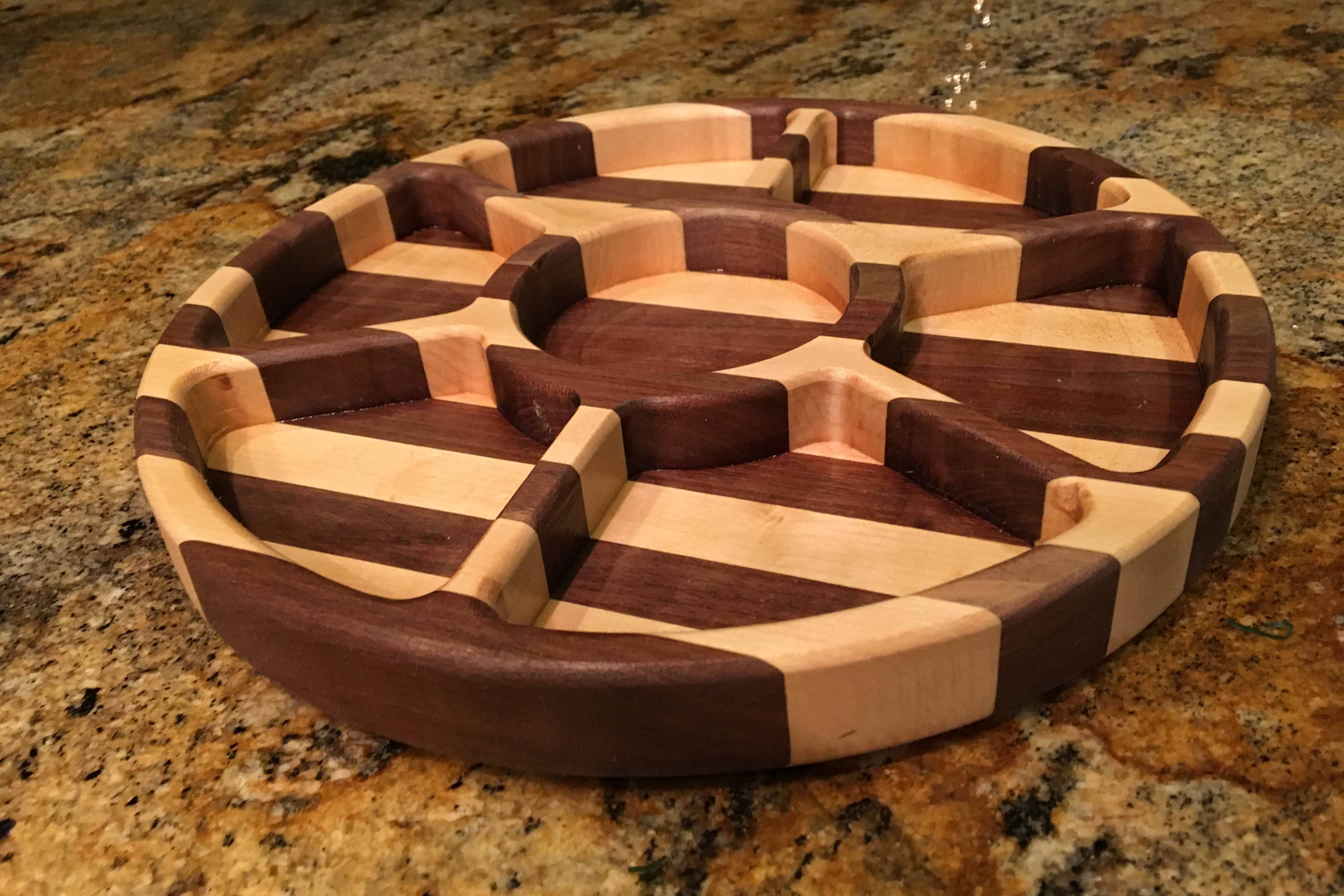
    Read More..